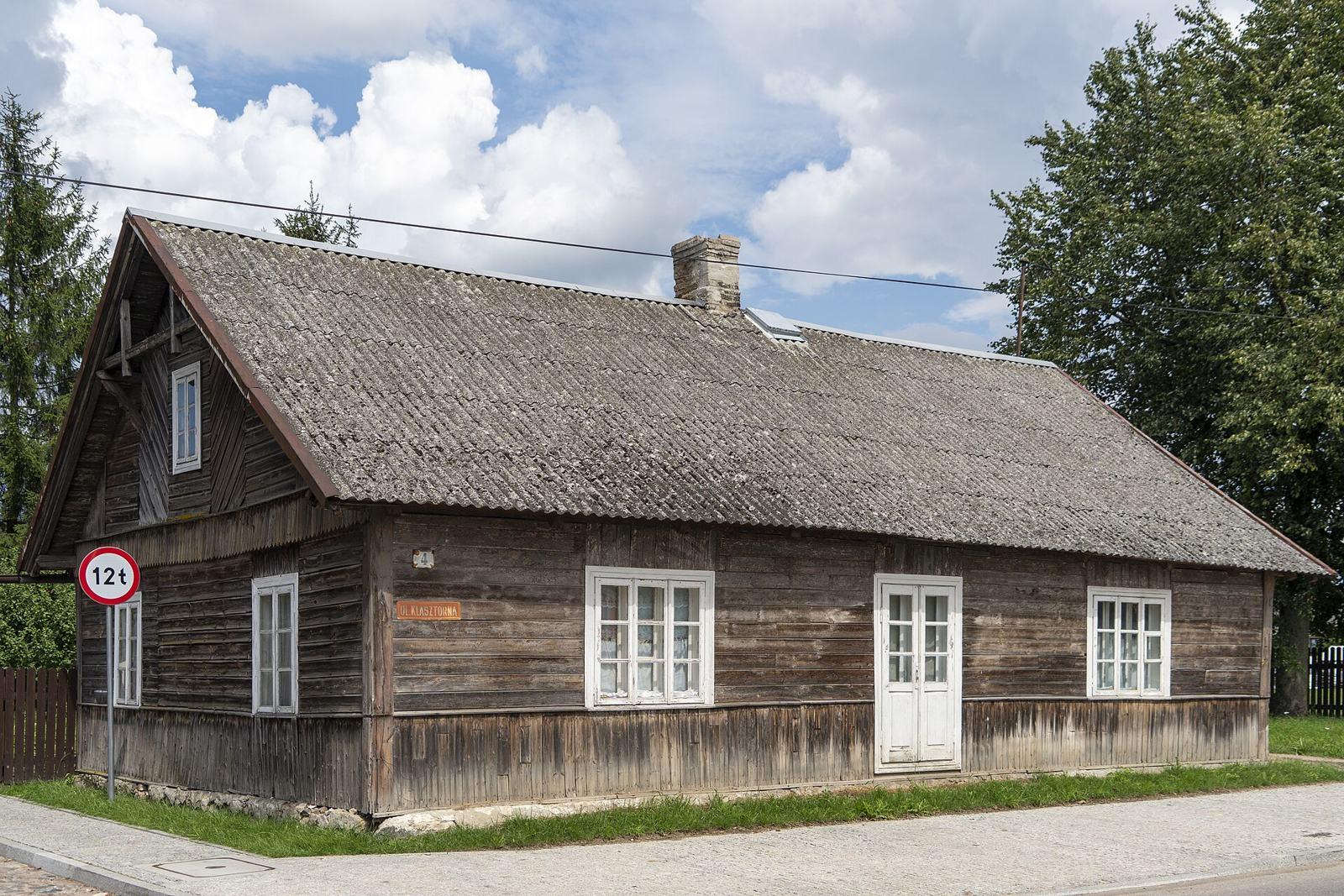
Leave the sheets alone
Do not drill, cut, snap, scrape or jet-wash asbestos cement to see what it is, and do not walk on it. Those are the things that release fibres. A roof that is still doing its job can stay put while someone who knows the rules looks at it.
HSE's starting point is the asbestos hub.
The duty to manage
In non-domestic premises, the person responsible for maintenance has a duty to manage asbestos under regulation 4 of the Control of Asbestos Regulations 2012. In plain terms that means finding out whether asbestos is there, keeping a record, and making sure nobody disturbs it by accident.
HSE explains the duty on duty to manage asbestos. The regulations are on legislation.gov.uk, SI 2012/632.
Survey before work
A management survey is the ordinary record of what is in the building and what condition it is in. It is not enough, on its own, for a job that will disturb the material. Work that breaks into the sheets, or takes them off, needs a refurbishment and demolition survey of the area that will be affected. The laboratory that tests a sample should be accredited for that test.
Search UKAS for an organisation accredited for asbestos inspection or testing at find an organisation. The Asbestos Testing and Consultancy Association, which sits with ARCA, is at atac.org.uk. ARCA's own site is arca.org.uk.
Licensed, non-licensed, and NNLW
Not every job on asbestos cement is licensed work, and not every job is free of notification. Short work on cement that stays mostly whole can be non-licensed. Some of that work is notifiable non-licensed work (NNLW), which has extra rules on notification, medicals and records. Work that breaks the material up, or that is on a larger scale, can be licensed work and then it has to be done by a contractor who holds an HSE licence. Deciding which box a job sits in is part of the survey, not a guess from the ground.
HSE sets this out under licensing, non-licensed work, notifiable non-licensed work and licensable work. A list of contractors who currently hold a licence is published by CONIAC, linked from that HSE page: current licensed asbestos contractors. Practical task sheets, where they apply, are in Asbestos essentials.
Overcladding or removal
If the sheets are still stable, a new metal skin can sometimes be fixed over them so the old sheets stay where they are. That is overcladding. It is not the right answer if the sheets are breaking up or the structure will not carry the extra weight. Removal, when it is the right answer, is planned as asbestos work. We do not publish a way to strip the sheets, and we will say plainly when the job needs a licensed contractor instead of us.
This page does not replace a survey of the actual roof. If you think the sheets are asbestos cement, book a look and do not start drilling them in the meantime.